Mount Rainier Hikes

Challenge yourself on Washington's most iconic peak through expert-guided hiking adventures. Experience pristine alpine wilderness, challenging mountain trails, and breathtaking glacier views that create memories to last a lifetime.

Elevation Park Established Location
14,410 feet March 1899 Washington State
Mount Rainier

Permits & access

Most visits to Mount Rainier involve trail access rules, possible park or climbing fees, and good mountain prep. Confirm current requirements on nps.gov/mora before you go.

Check first

Mount Rainier access & permits

Some routes around Mount Rainier need park entry, timed reservations, or climbing permits. Rules change by season.

Always verify with the managing park or authority for your dates.

Trail day

Day hikes & route choice

Pick a route that matches your fitness and conditions. Summit days fill quickly; have a shorter fallback if weather turns.

Start early and know turnaround times.

Safety

Guides, weather & gear

High routes may require a licensed guide, glacier gear, or hut bookings. Mountain weather can close trails without much notice.

Carry layers, navigation, and a plan B.

Why hike Mount Rainier

check

Iconic Pacific Northwest

Experience the crown jewel of the Cascade Range, where ancient glaciers meet pristine wilderness. Mount Rainier defines the Pacific Northwest landscape and offers unparalleled alpine beauty.

check

Diverse Ecosystems

From temperate rainforests to alpine tundra, explore five distinct life zones in a single visit. Witness incredible biodiversity and seasonal wildflower displays that paint the meadows in vibrant colors.

check

Hiking for All Levels

With over 260 miles of trails, find your perfect hiking challenge whether you're seeking gentle walks through wildflower meadows or demanding high-altitude expeditions to remote alpine lakes and glacier viewpoints.

Safety & prep

Weather windows

Conditions around Mount Rainier change fast. Check a mountain forecast the morning you hike.

Start early

Long approaches and busy summit routes are safer and quieter with a dawn start.

Leave no trace

Stay on marked trails, pack out waste, and respect local access rules and wildlife.

Trail conditions, permits, and weather change. Confirm details on nps.gov/mora before you go.

The route

01

Paradise area

Wildflower meadows and glacier views.

02

Sunrise area

High eastern viewpoints and trails.

03

Skyline Trail

Popular loop above Paradise.

04

Nisqually Vista

Short paved glacier overlook.

05

Grove of the Patriarchs

Old-growth forest walk.

06

Visitor centers

Paradise and Sunrise orientation.

Getting to Mount Rainier

Mount Rainier, Mount Rainier National Park, Washington, Washington
  • Make the most of your Mount Rainier adventure with these essential planning tips:

FAQ

How much time should I allow for hiking Mount Rainier?

Allow at least a full day (8-12 hours) for a comprehensive hiking experience at Mount Rainier. For multiple challenging hikes including Paradise and Sunrise areas, consider 2-3 days. The park offers everything from 2-hour moderate hikes to multi-day backcountry adventures.

What are the entrance fees for Mount Rainier National Park?

Vehicle passes cost $30 for 7 days, $55 for an annual Mount Rainier pass, or $80 for the America the Beautiful annual national parks pass. Motorcycle passes are $25 for 7 days. Active military personnel and 4th grade students receive free admission.

Is Mount Rainier suitable for beginner hikers?

Absolutely! Mount Rainier offers hiking trails for all skill levels, from easy nature walks to challenging alpine routes. The Nisqually Vista Trail and Silver Falls Trail are perfect for beginners, while experienced hikers can tackle demanding high-altitude adventures.

When is the best time to see wildflowers at Mount Rainier?

Peak wildflower season typically runs from mid-July through early August, though timing varies by elevation and snowpack. Paradise meadows usually peak in late July, while lower elevation areas may bloom earlier. Check park conditions before visiting.

Do I need permits for hiking at Mount Rainier?

Most day hikes don't require permits, though some popular trailheads may have timed entry during peak season. High-altitude climbing, overnight backpacking, and wilderness camping require advance permits and fees. Guided hikes typically include necessary permits.

What wildlife might I see at Mount Rainier?

Common wildlife includes black bears, elk, deer, mountain goats, marmots, pikas, and over 130 bird species. Early morning and evening offer the best viewing opportunities. Always maintain safe distances and never feed wildlife.

About Mount Rainier

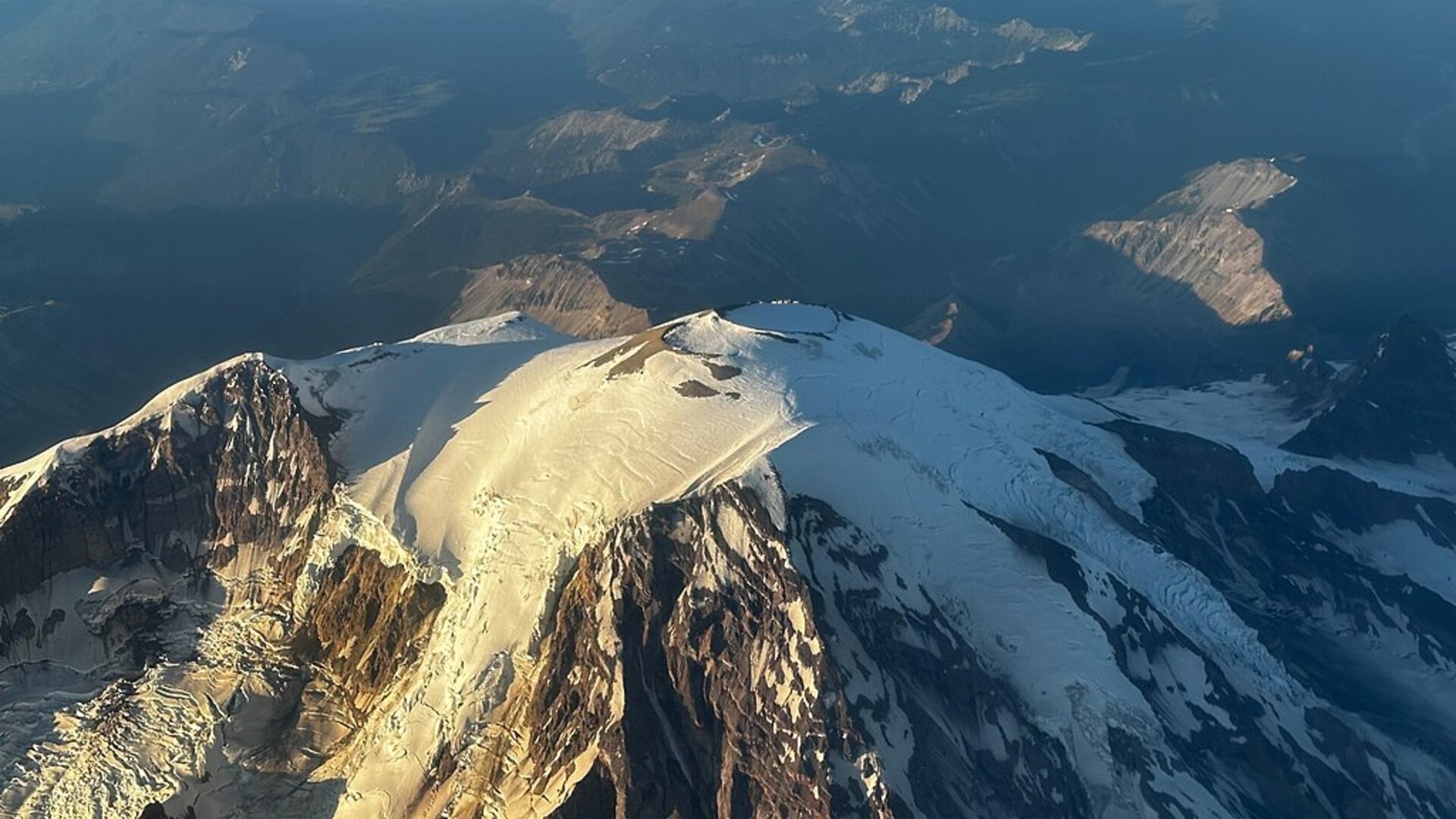
Mount Rainier stands as Washington's most iconic landmark, a majestic stratovolcano rising 14,410 feet above sea level. Known to indigenous peoples as "Tahoma," this ancient peak has been a sacred presence in the Pacific Northwest for thousands of years.

The mountain is home to the largest glacier system in the contiguous United States, with 26 named glaciers flowing down its slopes. Mount Rainier National Park, established in 1899, protects this remarkable ecosystem where old-growth forests, alpine meadows, and pristine wilderness create the perfect setting for challenging hiking adventures just hours from Seattle.

Mount Rainier
Back to Top